Quiet luxury has become one of the most influential design movements in recent years. Unlike traditional luxury that focuses on decoration, bold patterns, and visible branding, quiet luxury embraces simplicity, craftsmanship, and timeless materials. In interior design, this movement is creating a renewed appreciation for monochrome spaces built around black, white, gray, natural textures, and thoughtful details.
The popularity of quiet luxury interiors reflects a larger shift toward intentional living. People are moving away from overly decorated spaces and choosing environments that feel calm, balanced, and refined. This philosophy connects closely with the principles explored throughout Black White Bliss, where simplicity and contrast create powerful visual experiences.
What Is Quiet Luxury Interior Design?
Quiet luxury interior design focuses on quality rather than excess. Instead of filling rooms with unnecessary decorations, designers create spaces where every element serves a purpose.
The style often includes:
- Neutral color palettes
- Premium natural materials
- Minimal furniture arrangements
- Clean architectural lines
- Subtle textures
The goal is not to make a space look empty. Instead, the goal is to create harmony between materials, lighting, and proportions.
According to Architectural Digest, modern luxury interiors increasingly focus on craftsmanship, comfort, and timeless appeal rather than excessive decoration.
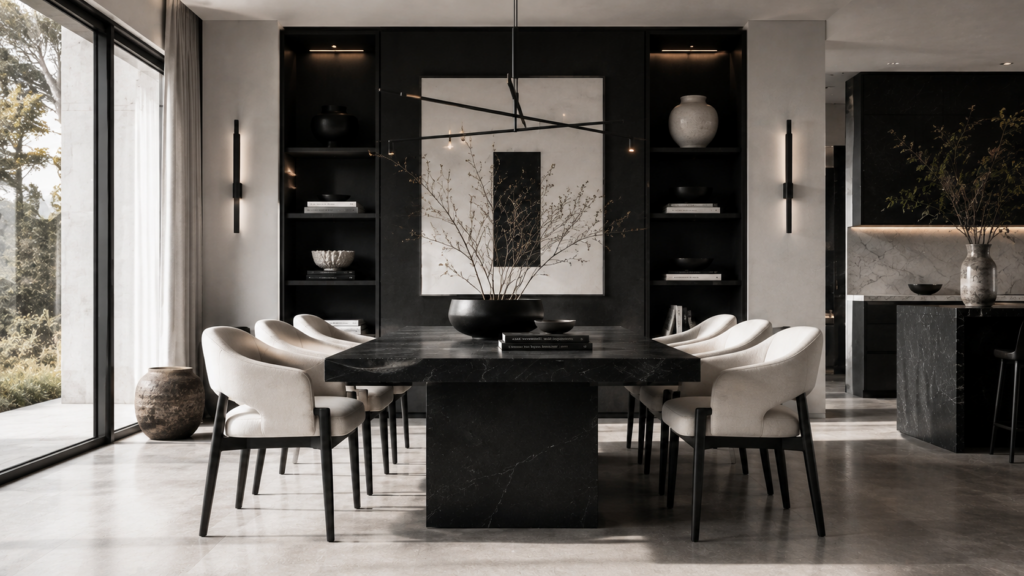
Why Monochrome Works Perfectly With Quiet Luxury
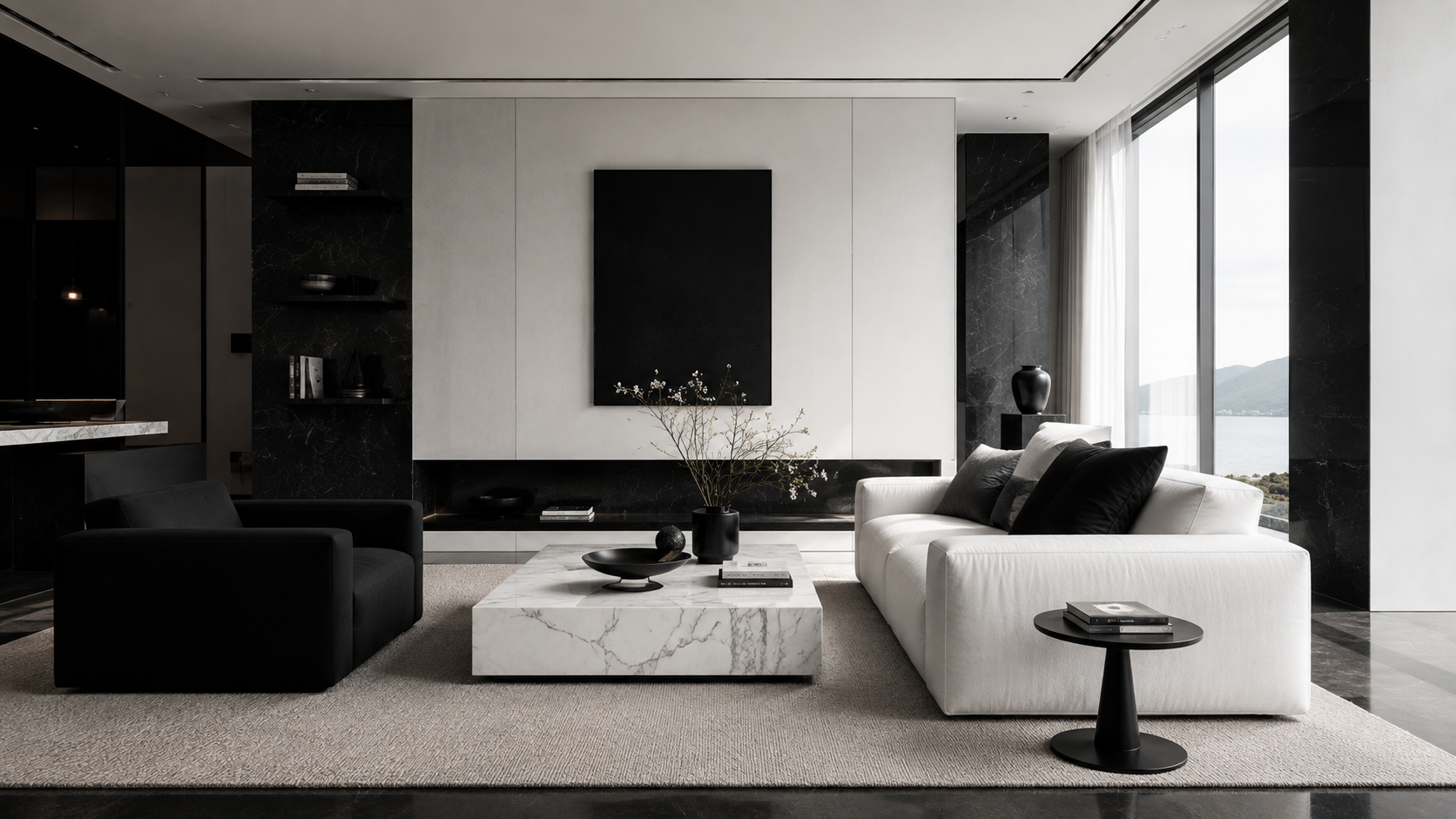
Black and white interiors naturally support the quiet luxury movement because they create a sense of balance. Without competing colors, attention shifts toward materials, shapes, and textures.
A monochrome room allows details such as marble surfaces, wooden finishes, soft fabrics, and architectural features to become the main visual focus.
Black elements can introduce depth and sophistication, while white spaces create openness and brightness. Together, they form a timeless combination that works across different interior styles.
You can explore similar design principles in our article about design principles and visual balance.
The Psychology Behind Minimal Luxury Spaces
Interior design influences how people experience a space. Quiet luxury interiors are designed to create feelings of calm, comfort, and stability.
A monochrome environment reduces visual distractions. This allows the eye to focus on important details instead of processing multiple colors and patterns.
Black often creates feelings of elegance, confidence, and sophistication. White represents clarity, openness, and simplicity. Their combination creates an environment that feels modern while remaining timeless.
This psychological approach is similar to the principles behind minimalist branding discussed in neo-minimalism branding trends.
Materials That Define Quiet Luxury Interiors
Quiet luxury is not only about color. Materials play a major role in creating a premium atmosphere.
Popular materials include:
- Natural stone
- Wood finishes
- Linen fabrics
- Leather accents
- Brushed metals
- Handcrafted furniture
In monochrome interiors, texture becomes especially important. Since the color palette is limited, differences in surface quality create visual interest.
A black marble table, soft white curtains, and textured gray walls may all share similar tones while creating a rich layered appearance.
How Designers Create Depth Without Bright Colors
One challenge of monochrome interiors is avoiding a flat appearance. Designers solve this by carefully controlling contrast, lighting, and texture.
For example, a room with only white surfaces may feel cold without warm materials or natural lighting. A completely black room may feel heavy without proper balance.
Successful monochrome interiors often combine:
- Different shades of black, white, and gray
- Natural lighting
- Layered textures
- Strategic furniture placement
This approach reflects the same contrast principles found in monochrome photography and graphic design.
Learn more about monochrome visual techniques through our article on black and white photography trends.
Quiet Luxury Goes Beyond Homes
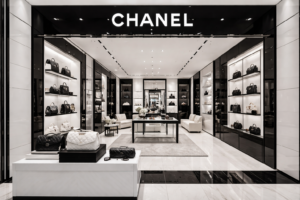
The quiet luxury movement is influencing more than interior design. The same aesthetic appears in fashion, branding, hotels, and digital experiences.
Luxury companies are increasingly using clean layouts, neutral colors, and minimal packaging to communicate sophistication.
This connection between interiors and branding shows why monochrome design remains relevant across multiple creative industries.
Examples of minimalist design inspiration can be found on platforms like Behance and Dezeen.
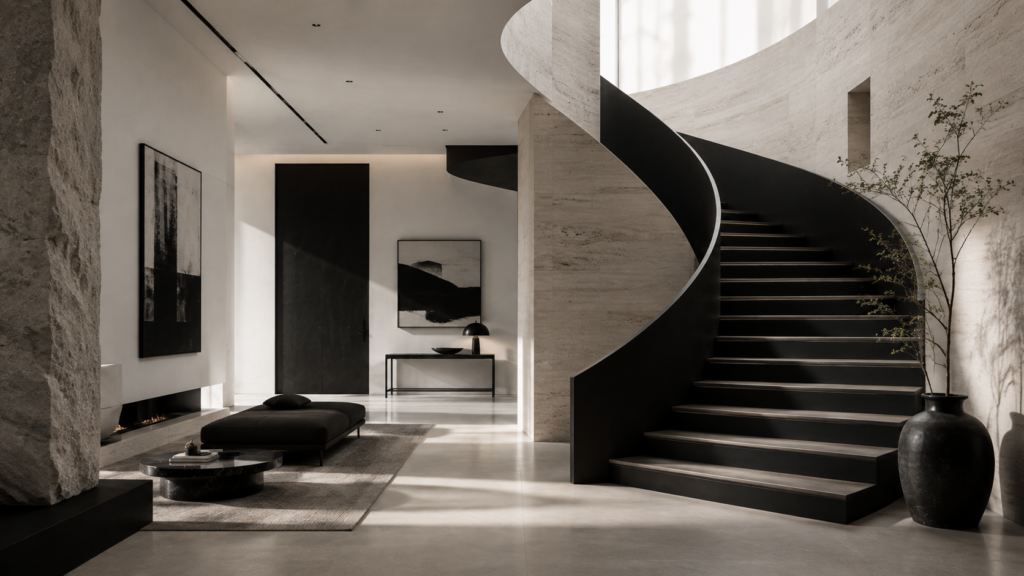
How To Add Quiet Luxury Elements To Any Space
Creating a quiet luxury atmosphere does not require completely redesigning a room. Small changes can create a more refined appearance.
- Remove unnecessary decorations
- Choose fewer but higher-quality pieces
- Use neutral colors
- Add natural textures
- Improve lighting quality
The focus should always remain on creating a balanced environment rather than simply following a trend.
The Future of Quiet Luxury and Monochrome Design
Quiet luxury continues to grow because it represents a desire for simplicity in an increasingly busy world. As digital spaces become more crowded with visual information, people are seeking physical environments that feel peaceful and intentional.
Monochrome interiors are likely to remain influential because they offer flexibility, elegance, and timeless appeal. They can adapt to changing styles while maintaining a strong visual identity.
Design resources such as Dwell continue highlighting how modern architecture and interiors are moving toward cleaner, more thoughtful spaces.
Conclusion
Quiet luxury monochrome interiors represent a modern interpretation of elegance. Instead of relying on decoration or trends, this style focuses on craftsmanship, balance, and meaningful design choices.
By combining black, white, natural materials, and minimalist principles, quiet luxury creates spaces that feel sophisticated while remaining comfortable and timeless.
As design continues evolving, the return to simplicity shows that sometimes the most powerful visual statements come from using less.