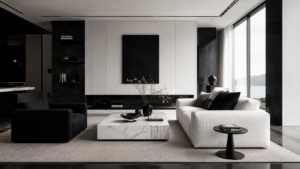
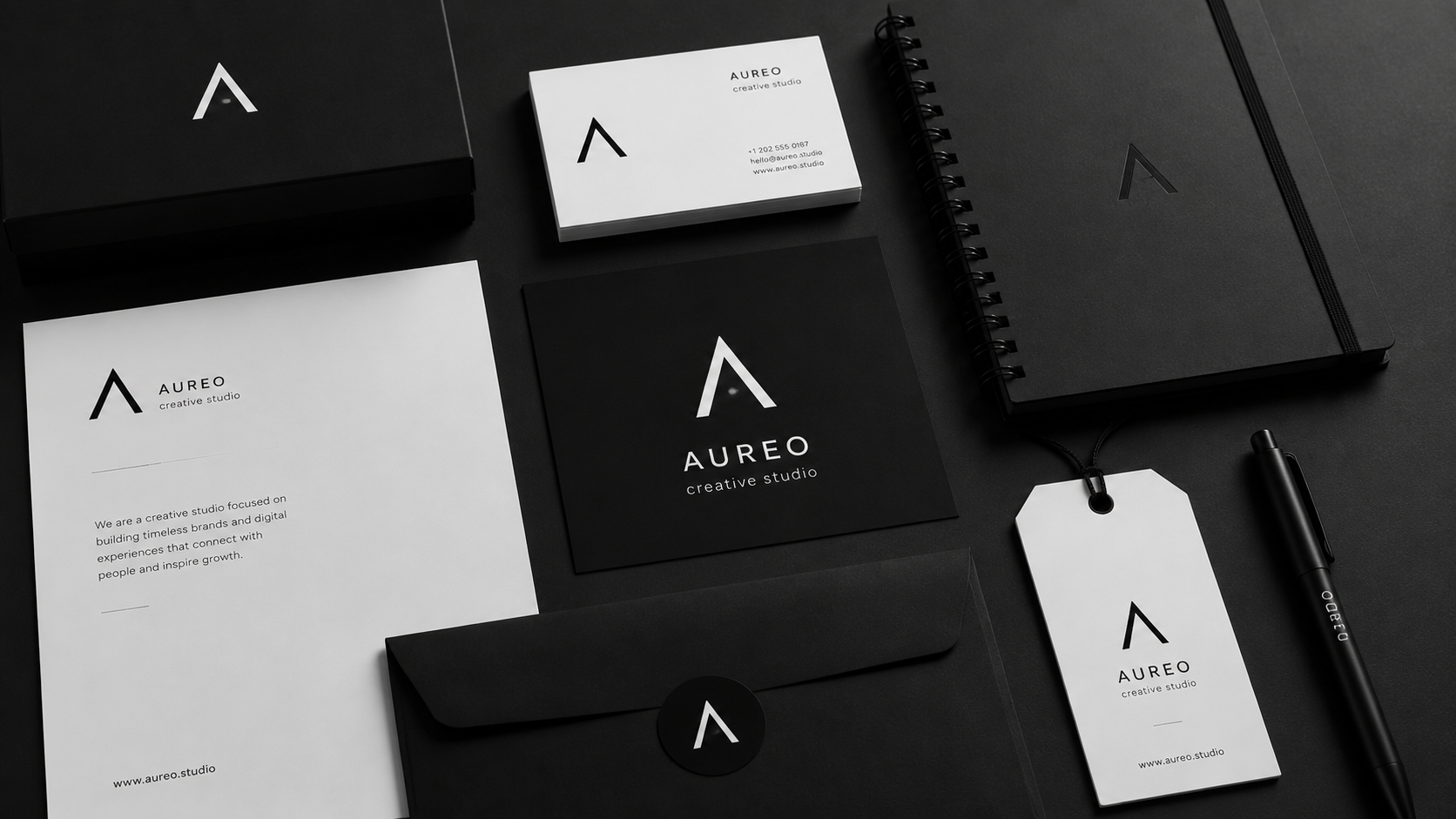
In 2026, a powerful shift is reshaping the design world: the rise of neo-minimalism. This movement pushes branding beyond traditional minimalism into an even more refined and stripped-back visual language. At its core, neo-minimalism embraces black and white aesthetics, extreme simplicity, and intentional reduction of visual noise.
As digital spaces become increasingly saturated with AI-generated visuals, gradients, animations, and color-heavy branding systems, many companies are moving in the opposite direction. They are choosing clarity over complexity, silence over noise, and timelessness over trend cycles.
This shift aligns closely with the philosophy of Black White Bliss, where monochrome design is not just a style—but a visual discipline.
The Rise of Neo-Minimalism in Modern Branding
Neo-minimalism is not simply minimalism repeated. It is a refined evolution of it. While traditional minimalism focused on reducing clutter, neo-minimalism goes further by removing almost everything unnecessary—even subtle decorative elements.
Brands adopting this style rely heavily on:
- Black and white palettes
- Extreme contrast typography
- Grid-based layouts
- Negative space as a design element
- Strict visual hierarchy
According to Smashing Magazine, simplified interfaces improve user comprehension and decision-making speed, which explains why many digital brands are adopting this approach.
Why Brands Are Abandoning Color
Color once dominated branding strategies. But in today’s environment, color has become overwhelming. AI tools generate endless variations of colorful visuals, making it harder for brands to stand out.
Instead of competing visually, brands are now removing color entirely.
Black and white branding creates:
- Instant recognition
- Stronger emotional contrast
- Better visual consistency across platforms
- A premium and editorial aesthetic
Research from Nielsen Norman Group shows that simplified visual hierarchies significantly improve user engagement and comprehension.

Neo-Minimalism and the Influence of AI Design
Artificial intelligence has dramatically changed the design landscape. Tools can now generate logos, layouts, and branding systems in seconds. However, this speed has led to visual overload across the internet.
As a response, designers are embracing neo-minimalism as a form of resistance. Instead of adding more complexity, they are removing it.
This aligns with the broader design philosophy discussed in design principles, where structure and intention matter more than decoration.
For additional insight into AI-driven design shifts, see Adobe Creative Cloud insights.
The Psychology Behind Black and White Branding
Black and white design is not just aesthetic—it is psychological.
Black represents authority, depth, and strength. White represents clarity, space, and simplicity. Together, they create one of the most powerful visual combinations in design history.
Neo-minimalism leverages this contrast to communicate:
- Confidence without distraction
- Luxury without excess
- Modernity without chaos
This psychological clarity is why many high-end brands are shifting toward monochrome identity systems.
How Luxury Brands Are Using Neo-Minimalism
Luxury brands are at the forefront of this movement. Many are simplifying their visual identities to remain timeless in a rapidly changing digital environment.
Instead of elaborate branding, they now focus on:
- Monochrome logos
- Clean editorial photography
- Minimal typography systems
You can see similar direction explored in our article on Monochrome Design in 2026.
More branding case studies can be explored on Behance and Awwwards.
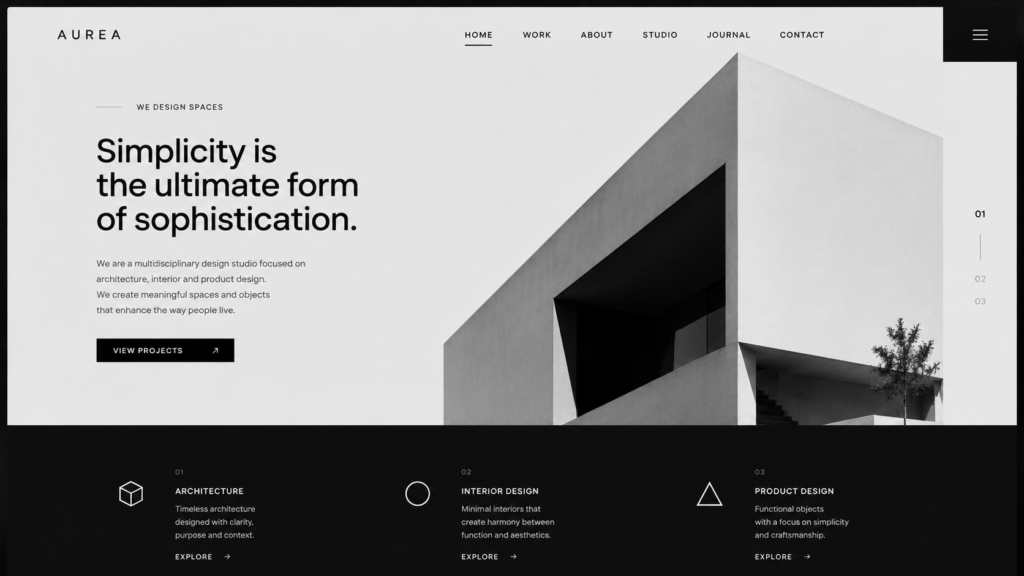
Neo-Minimalism in Digital UI and UX Design
Web and app design are also heavily influenced by this trend. Interfaces are becoming cleaner, darker, and more focused on usability rather than decoration.
Common UI patterns include:
- Dark mode monochrome interfaces
- Flat layouts with strong contrast
- Reduced icon sets
- Typography-led navigation
This aligns with findings from Interaction Design Foundation, which emphasizes clarity and cognitive simplicity in digital interfaces.
The Future of Neo-Minimalism
Neo-minimalism is not a temporary trend—it is a response to digital saturation. As visual content continues to grow exponentially, simplicity becomes more valuable.
We are entering a phase where design is no longer about adding more, but about removing everything unnecessary.
This philosophy is expected to shape branding, UX, photography, and even motion design in the coming years.
Conclusion
Neo-minimalism represents a return to clarity in an increasingly complex digital world. By stripping away color and excess, brands are rediscovering the power of black and white design.
This movement is not about limitation—it is about precision. It is about choosing only what matters and removing everything that does not.
As the design world continues evolving, neo-minimalism will likely remain one of the most influential visual philosophies shaping branding in 2026 and beyond.